The Dow and NASDAQ’s Friday closing numbers marked the end of U.S. markets’ worst week since the 2008 financial crisis. The economic fallout has also lead to massive layoffs and predictions of an unprecedented slowdown. I joined CBS This Morning: Saturday to break down the latest financial information.
Nationally, unemployment claims are skyrocketing. The federal government is trying to put a band-aid on the financial bleeding, working to send out stimulus checks of $1,000 per adult and $500 per child.
The New York Stock Exchange will temporarily close its famous trading floor on Monday after two people tested positive for the coronavirus. Trading is set to resume electronically. On Wednesday, the Dow closed below 20,000, erasing nearly all its gains since President Trump took office. I joined CBS This Morning with reaction to the extreme economic uncertainty.
Coronavirus fears led to another terrible day for stocks Monday, amid growing concerns the world may be headed into a new recession. Consumer spending makes up 68% of the U.S. economy. I joined CBS This Morning with some tips on how everyday people can cope with the financial uncertainty.
Wall Street is hoping to rebound Tuesday after Monday's historic losses, but traders still worry about the long-term impact of the outbreak. Some finance experts are fearing the coronavirus pandemic could lead to a recession. I joined CBS This Morning to explain where the U.S. economy stands, and who could be impacted the hardest.
Financial markets suffered losses of historic proportions Monday, with the Dow falling almost 3,000 points, the biggest one-day point drop of all time. The tumble comes as President Trump concedes the country "may be" heading for a recession. Here’s my report for the CBS Evening News.
The stock markets ended a brutal week on a positive note. The Dow bounced back by nearly 2,000 points, picking up more than 9% on Friday. Here’s my report from the CBS Evening News.
In a recent survey, 53% of Americans said they do not have emergency funds to cover a significant amount of time without a paycheck. Although President Trump has proposed a payroll tax cut to ease the burden, one finance expert says that won't help people who are most struggling from the coronavirus shutdowns, hourly employees. I joined CBS This Morning to talk about the economic effects of the ongoing public health crisis.
The Dow plummeted nearly 10%, leaving investors fearing that the government has not done enough to help the economy amid the coronavirus pandemic.
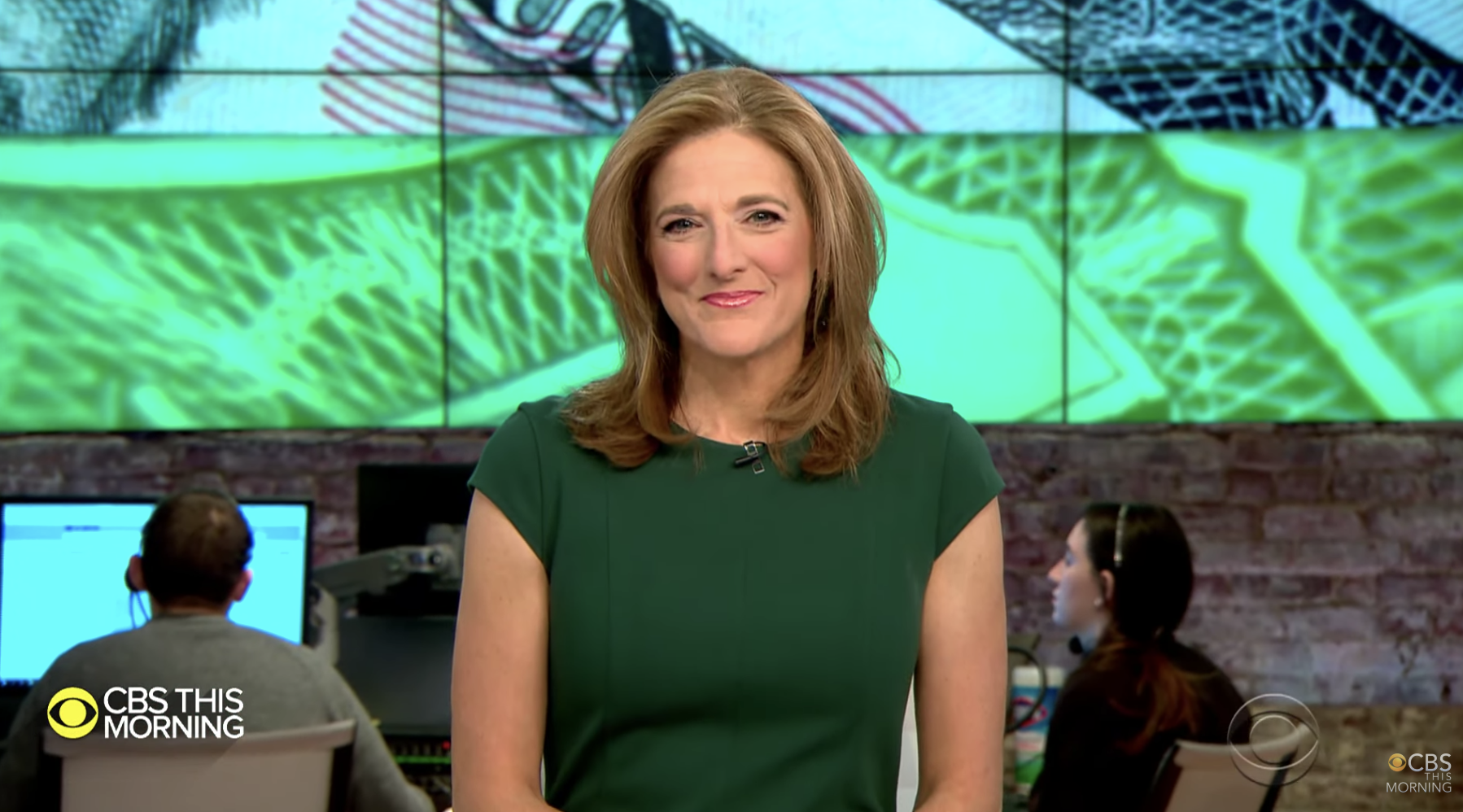
The stock market appears to have recovered slightly from Monday’s historic coronavirus-related losses. The DOW Jones industrial average saw its largest single-day point drop in history, with the biggest percentage-wise selloff since the 2008 economic crisis. I joined CBS This Morning to share advice about what the numbers could mean for personal investors.
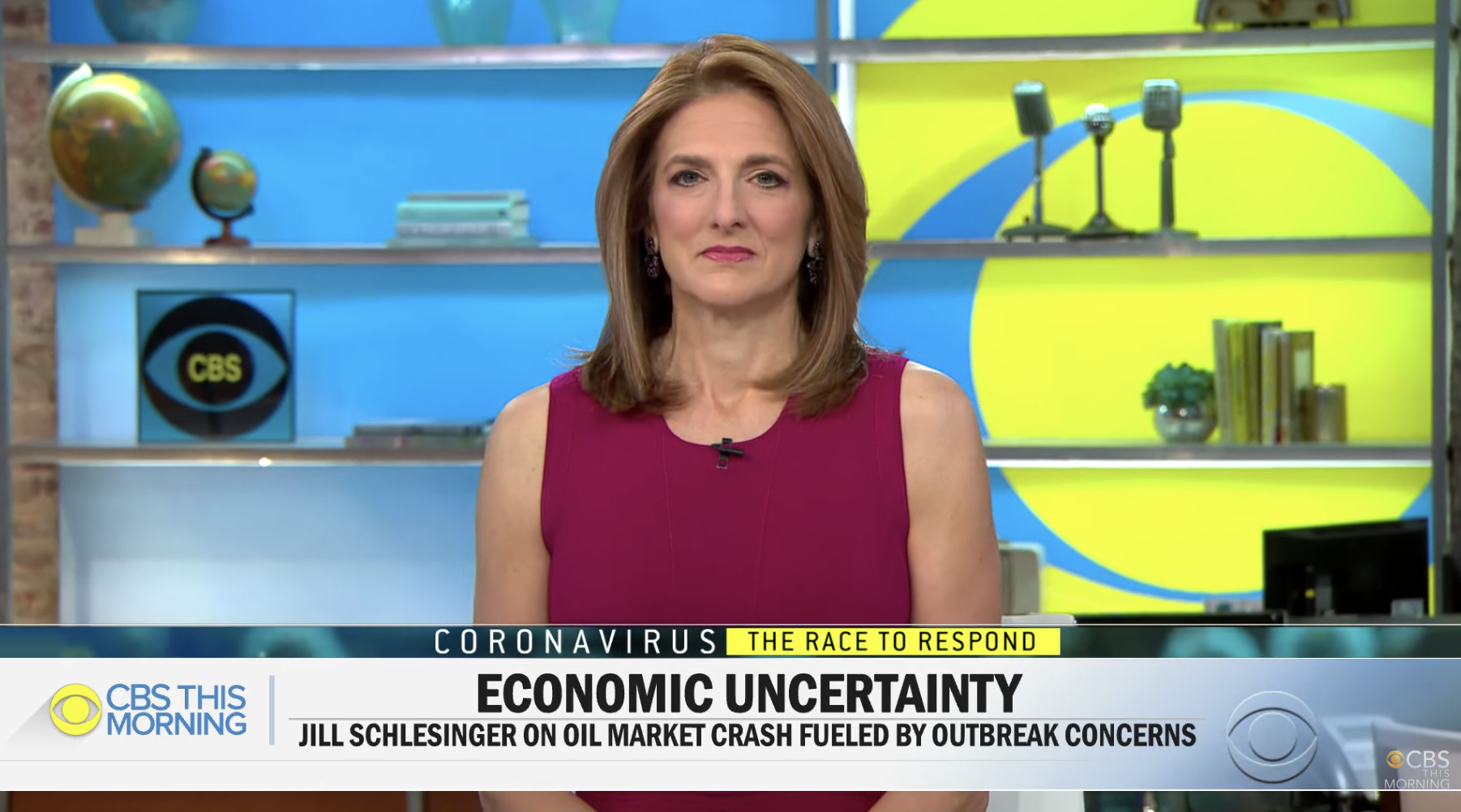
Another day of big losses on Wall Street, after oil markets plunged overnight. Markets in Australia, Japan and parts of Europe are down more than 5%, adding to the economic uncertainty blamed on the coronavirus. I joined CBS This Morning to explain what's going on amid the spread of coronavirus.
Coronavirus quarantines in China have had a significant impact on the global economy. In Los Angeles, where 40% of all shipped imports enter the country at the U.S.’s largest port, traffic is slowing down and affecting job earnings as factory shutdowns are taking a toll on the supply chain. Everything from the automotive industry to the toy industry are taking a hit. I joined CBS This Morning to explain how U.S. consumers could feel the economic impact of the coronavirus.
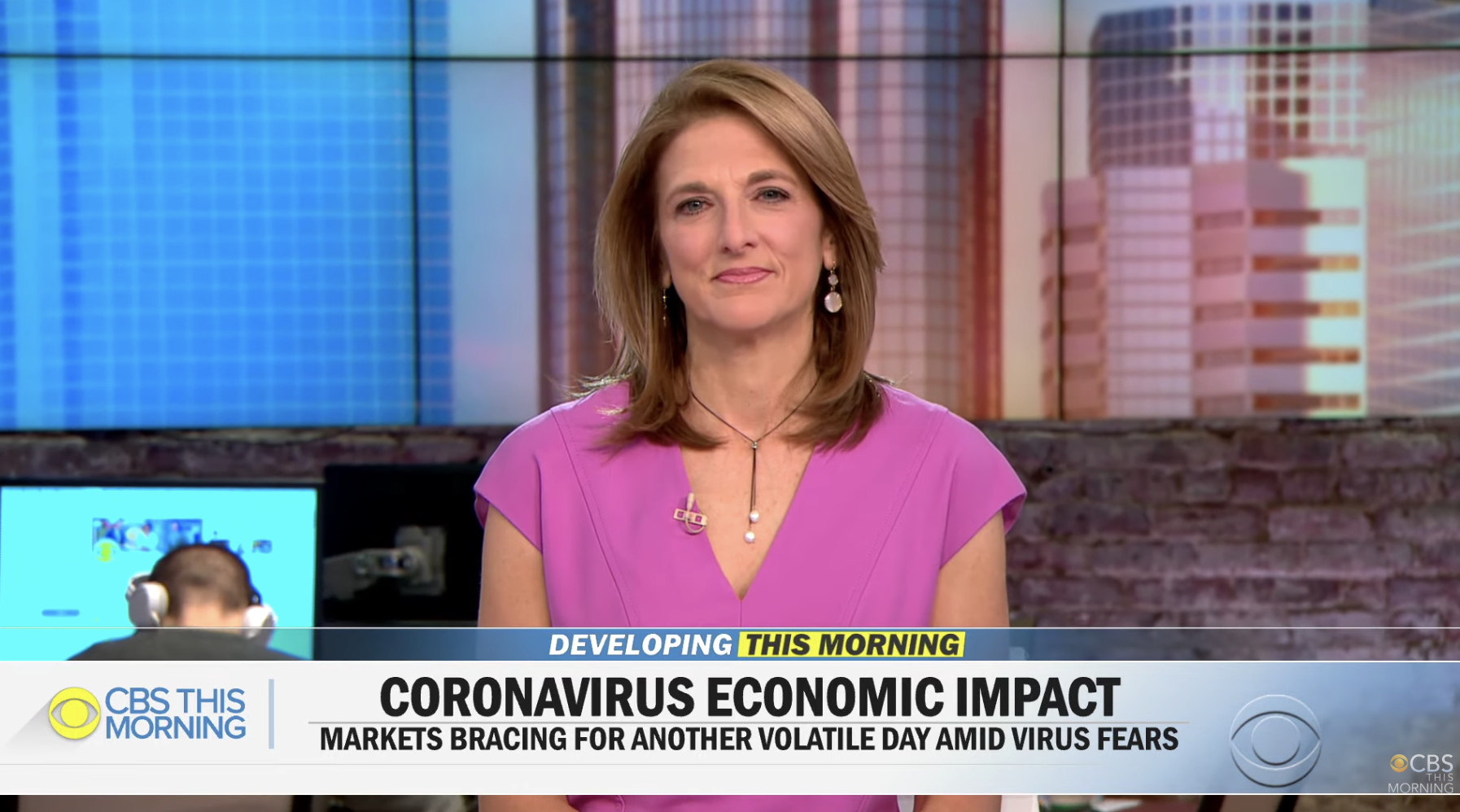
Panic over a coronavirus outbreak could send the stock market into its worst week since the 2008 financial crisis. The Dow Jones industrial average saw its worst one-day point drop in history on Thursday as it lost an entire year’s worth of gains over the course of a week. I joined CBS This Morning to discuss the likely economic fallout.
As Coronavirus cases spread throughout the world, the fear and uncertainty is taking a drastic toll on the financial markets. I weigh in as Meg Oliver reports.
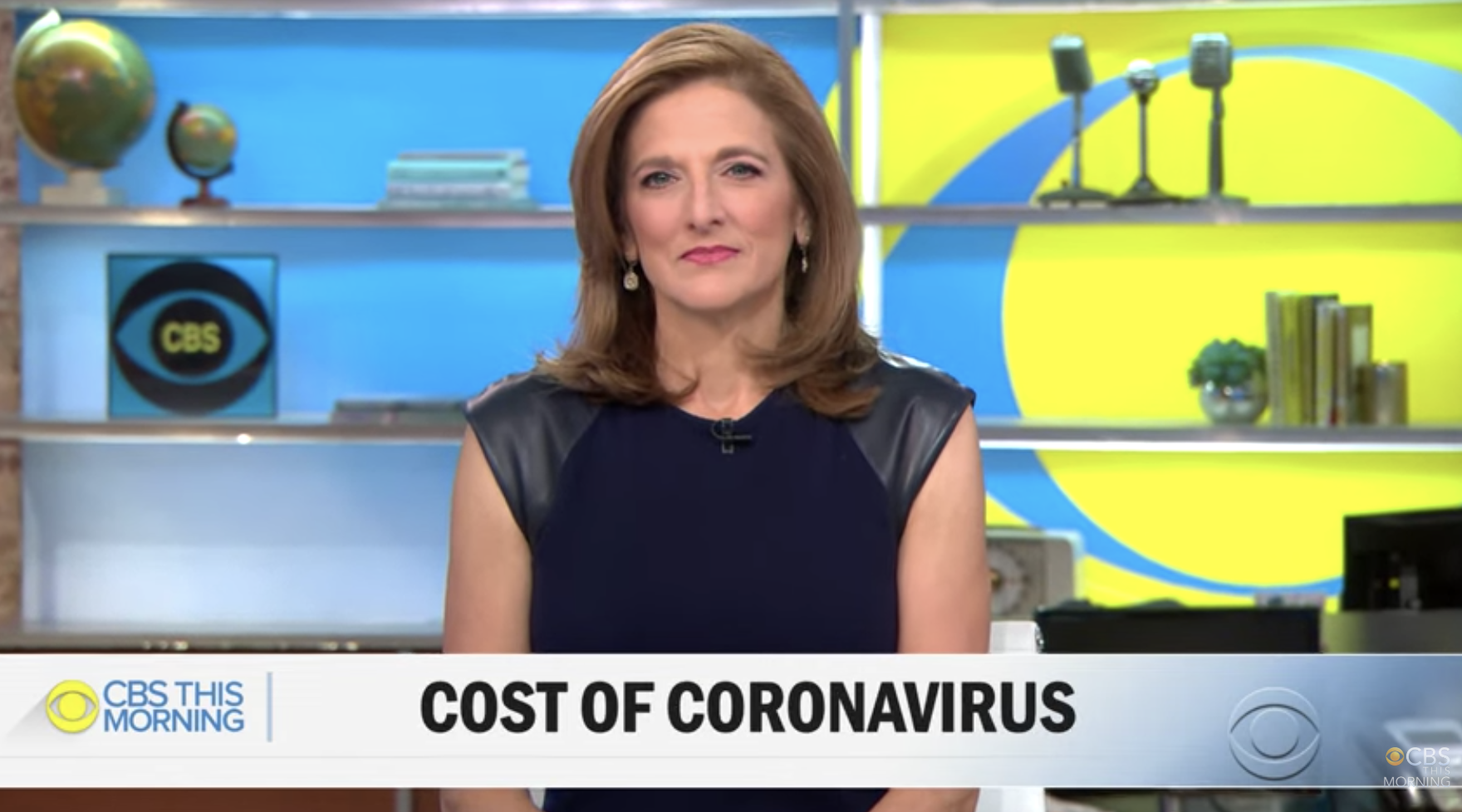
American companies doing business in China, including Ford and Apple, have closed factories and retail locations in the country due to the coronavirus outbreak. Supply chains, flights and cruises are all being disrupted as the number of new cases exceeds 15,000 in light of new diagnosis methods. I joined CBS This Morning to break down the coronavirus’ global economic impact.
In just the first week of this tax season, the IRS says it has processed nearly 13 million returns and issued nearly 4.3 million refunds. The filing deadline is April 15. I joined CBS This Morning with what you need to know before filing your taxes.
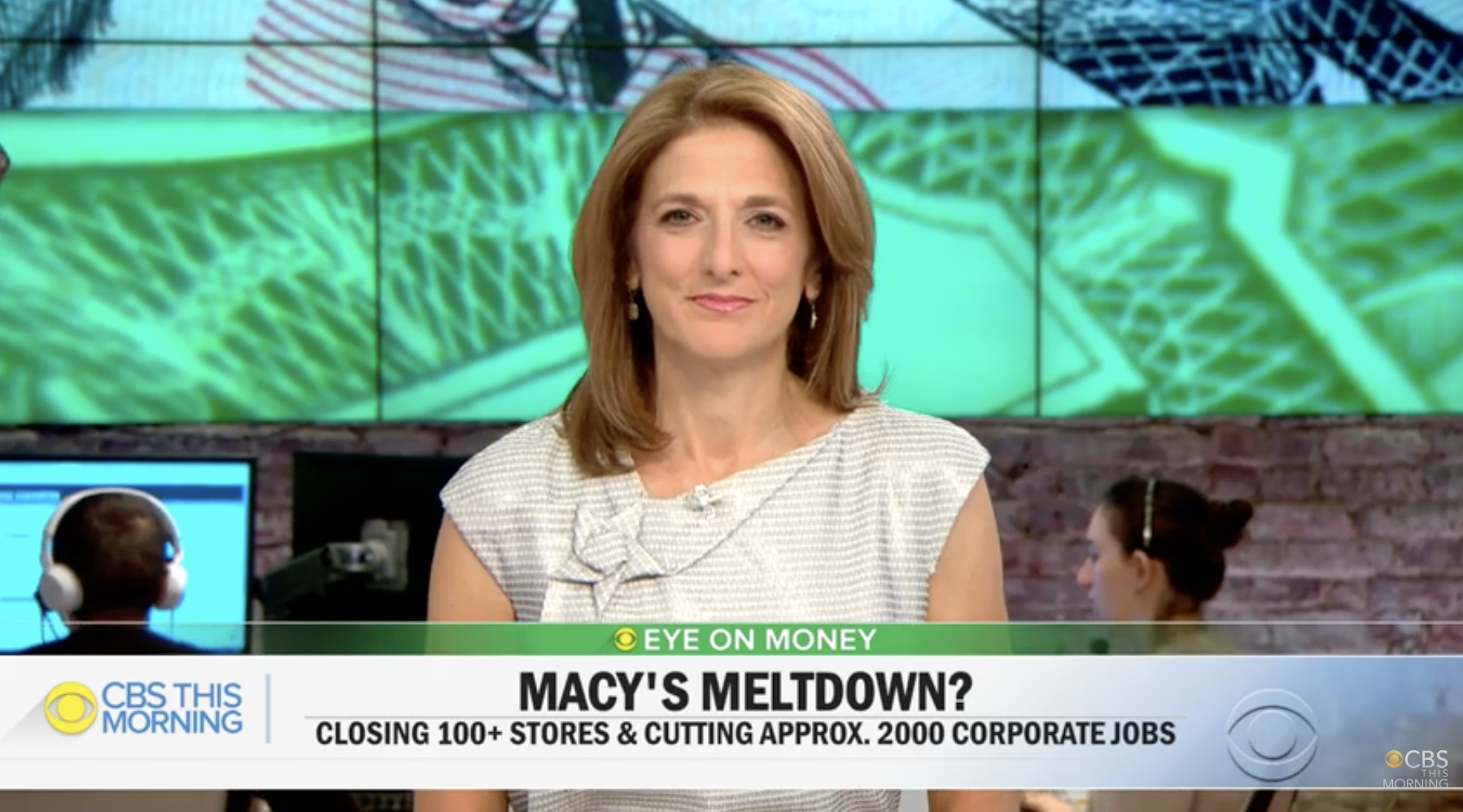
The largest department store chain in America is closing 125 stores and cutting 2,000 jobs. Macy’s is making the cuts in an effort to end a yearlong slump, though it’s unclear how many total jobs will be affected once retail workers factor into the final count. I joined CBS This Morning to break down the implications of the retail giant’s massive move.
On average, college students who graduated in 2018 owe more than $29,000 in loans. I joined CBS This Morning to look at some of the most costly mistakes people make with their finances and what people can do to shrink student debt faster.
The company that turns your credit history into what’s known as a FICO score is updating how that number is calculated. These scores are used to determine whether you can receive a new credit card, or get a home or auto loan. I joined CBS This Morning to discuss a new report that shows the average U.S. FICO score hit an all-time high of 703 last year.
Almost 63% of mortgage applicants are homeowners looking to refinance. I joined CBS This Morning to explain how low mortgage rates could help homeowners cut their costs.
Have a money question? Email me here.
Please leave us a rating or review in Apple Podcasts.
"Jill on Money" theme music is by Joel Goodman, www.joelgoodman.com.