With the labor market slowing down, will the Federal Reserve raise interest rates at its next policy meeting in two weeks? That was the big question after the Labor Department reported that the economy added a disappointing 138,000 jobs in May, worse than the 185,000 analysts had expected. Additionally, the previous two months were revised lower by 66,000, putting the three month average at just 121,000. In the first five months of 2017, the economy has seen average monthly job creation of 162,000, down from 189,000 in 2016, and 226,000 in 2015.
Read MoreBidding wars, no contingencies and frustrated buyers...the housing market is heating up! Existing home sales have jumped to their highest level since early 2007 and new home sale activity has been equally as brisk. Additionally, nearly a decade after the housing market peaked, foreclosure filings, which includes default notices, scheduled auctions and bank repossessions, dropped to the lowest level since November 2005, according to ATTOM Data Solutions.

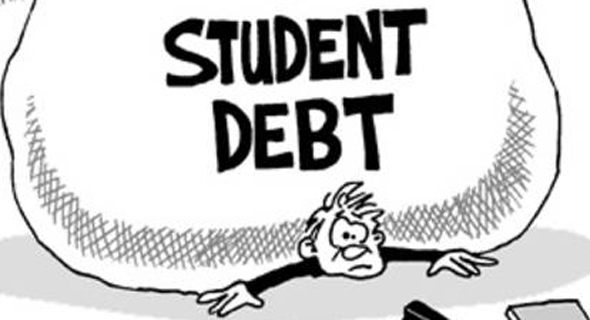
Read MoreMillennials are not as financially screwed as previously thought. The youngest among them are receiving the best graduation gift ever: a good paying job. That's welcome relief to those who comprise the generation that is defined as being born between 1980 and 2000, who have long complained that their incomes were depressed and they were so burdened by student loan debt, that they were forced to live with their parents and would never be able to fund retirement, let alone buy a home. The tide appears to be turning: the average base pay for college grads is up 3 percent this year to $49,785, according to executive-search firm Korn/Ferry International.
Read MoreSoon after donning their caps and gowns, recent college graduates should develop their first (of many) financial plans. Here’s how to start: Create a cash flow: No, not a budget, but a process that will allow you to track what's coming in and going out. This may sound annoying, but think of it as a way to find the money to fund your various financial priorities. Most banks offer apps or you can try Mint, Digit or You Need a Budget.
Read MoreForget job creation, tax cuts and returning any sector back to its glory days. After running into (read: stalking) former Federal Reserve Chair Ben S. Bernanke in the CBS This Morning Green Room last week, he reminded me that the REAL key to boosting economic growth and more importantly, your living standard, is labor productivity. The reason is easy to understand: “In the long run, what we can consume as a nation is closely tied to how much we can produce,” wrote Bernanke more than a decade ago.
Read MorePresident Trump’s “new” tax plan looked an awful lot like his old one from the campaign, though with far fewer details. The one-page overview was more like an incomplete set of bullet points, than a blueprint. For example, the plan would reduce the number of tax brackets from seven to three - 10, 25 and 35 percent, but there was no breakdown of income levels to which the new rates would apply. It also intends to provide a break for child and dependent care expenses, but did not specify the dollar amount.
Read MoreHere we go again…yet another chance for a government shutdown looms this week. The government is currently being funded by a continuing resolution (CR), passed in December 2016, through April 28, 2017, but there are still five months remaining for this fiscal year that need funding. Both chambers of Congress must pass a bill, which the President would sign, before midnight on Friday in order to avoid a shutdown.
Read MoreThere's good news for tax procrastinators: just one more day of suffering! This year's tax filing deadline is midnight April 18th and if you’re getting a late start, here are some last minute tax tips via Q&A: What if you owe money, but can’t pay in full by the April 18th deadline?
Read MoreAlthough it may seem like a lame excuse, stormy weather in March, which followed mild conditions in February, caused job creation to slump in March. The economy added a lower than expected 98,000 jobs and the number of Americans who were not at work due to bad weather was 195,000 in this report, 55,000 more than the historic number of 140,000. Adding back those employees, the reading was 153,000, somewhat weaker than the 175,000 expected, but well within the general range.
Read More