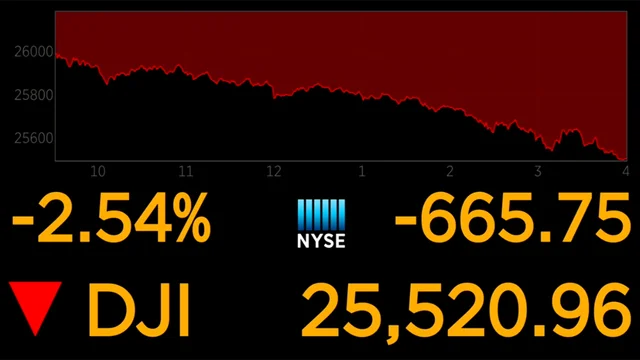
We knew that a stock market correction was coming, but why then did everyone seem so shocked when it arrived on Februarys 8th? Corrections, defined as 10 percent drops from the recent highs (January 26th), usually occur every year or so. Until last week, it had been two full years since the major US indexes had corrected. In other words, we were overdue for a drop.
Read MoreTax season opened on January 29 and the IRS expects more than 155 million returns to be filed this year, of which more than 70 percent should receive a refund. Once again, due to a Washington DC holiday (Emancipation Day), the filing deadline is delayed. Procrastinators, mark April 17th, rather than April 15th as your drop-dead date.
Read MoreMy Ten Questions to Ask a Financial Pro:
Read MoreStock investors are coming off the worst week in two years, leading to the inevitable question: What should I do when the market drops? The answer for long-term investors is clear: nothing.
Read MoreIn the topsy-turvy, bizarro land of Wall Street, sometimes a bit of good news about the
economy can be bad news for investors. The economy added 200,000 jobs in January,
higher than last year’s monthly average of about 170,000. The unemployment rate
remained at a 17-year of 4.1 percent; and perhaps most encouraging, annual hourly
earnings jumped by 2.9 percent, the fastest pace since the recession. (The figure does
not include special one-time, tax-related bonuses that have thus far helped about two
percent of workers.)
Five years ago, I wrote an article that warned not to place too much emphasis on the
ability to work longer to fund retirement. The risk was abundantly clear: just because
you want to keep toiling, does not mean that you will be able to do so. For some, there
will be physical limitations and for others, there may not be a job. That’s why nudges
like me encourage you to diligently save during your working years.
Treasury Secretary Mnuchin did not cause the recent dollar dive. His remarks
(“Obviously a weaker dollar is good for us as it relates to trade and opportunities”) at
the World Economic Forum in Davos were surprising, because government officials have
historically not been willing to acknowledge that when the value of the dollar falls, it
makes US exports cheaper. The result can be good for US manufacturers and can also
improve the trade balance.
The Dow closed above 26000 and the NASDAQ finally topped its inflation adjusted high
last week, begging the question: Why don’t investors care about a government
shutdown? The answer may be that they don’t care about lots of risks that exist, but
more specifically, previous periods when Congressional impasses have lead to Uncle
Sam shuttering some of its operations, have not spelled Armageddon for stocks.
You’ve seen the frightening surveys that say Americans are ill prepared for retirement,
but let’s start the year on a more pro-active foot. It’s time to jump-start your savings
plan and to help out; I’m going to break it out by generation.