At long last, the House Republican tax plan (the “Tax Cuts and Jobs Act”) is out and it is a huge and confusing bill. Contrary to promises of simplifying the tax code, it is just as dense and complicated as the current system. Winners and losers will be determined on a case-by-case basis, depending on where you live, whether you itemize deductions and how you earn your money.
Read More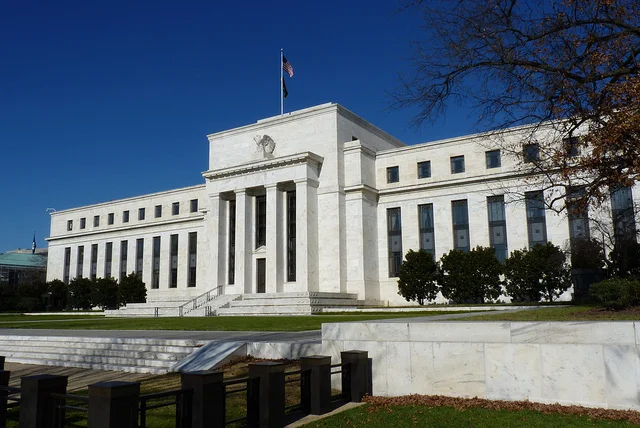
Now that President Trump has named Jerome (“Jay”) Powell as the next Federal Reserve Chairman, to succeed Janet Yellen, you may experience one of those, “Why do I care about this?” moments.
Read More
President Trump and Congressional Republicans are about to unveil two, potentially market-moving measures: a tax overhaul plan and a new Federal Reserve Chair. As if those were not enough, those events will occur amid a Federal Reserve Open Market Committee meeting, a monthly jobs report and stock markets soaring to new highs.
Read More
It’s open enrollment season, but if you are like most people, you will probably default to what you did last year. That’s a shame, because spending some time with your options can help you save money. Health Insurance: For the 151 million Americans, who participate in employer-sponsored health insurance plans, there is some good news: the pace of premium increases is slowing down.
Read More
The Senate’s passage (51-49) of the budget blueprint last week paves the way for Republicans plan to tinker with the tax code with just GOP votes, which means that tax negotiations have entered a new phase. Last week, the President’s Council of Economic Advisers argued thatPresident Trump's tax plan, which aims to reduce the top corporate tax rate from 35 percent to 20 percent, would boost the average American family’s income by $4,000 under . Critics, including former treasury secretary Lawrence Summers, questioned the $4K promise.
Read More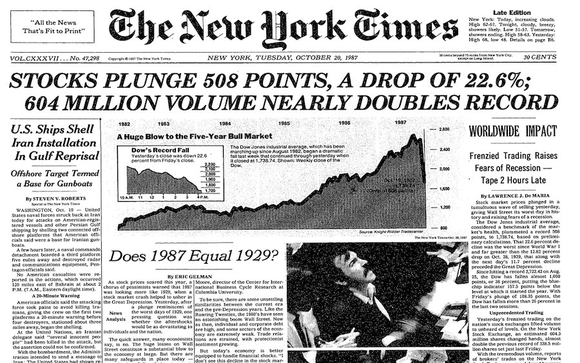
Is Dow 23,000 a reason to celebrate or a warning signal of a stock market correction, or even worse, a crash? Perhaps it's a little bit of both. The International Monetary Fund recently upgraded its global growth projections, but also issued a caveat, noting that the economic bounce back was breeding “complacency,” that was “spawning financial excesses...While the waters seem calm, vulnerabilities are building under the surface [and] if left unattended, these could derail the global recovery.” Amazingly, these words could have been the exact same warning from ten or thirty years ago.
Read More
An administration in a seemingly constant state of chaos, escalating threats with North Korea, uncertainty over Iran, the potential unwinding of NAFTA, the dismantling of key components of the Affordable Care Act…and stock markets continue to rise. The MSCI World Index of large and mid-cap stocks from 23 countries hit an all-time high on Friday, as stock indexes in the US, Japan, Hong Kong, Taiwan, Germany, the UK and New Zealand all reached multiyear or record highs last week.
Read More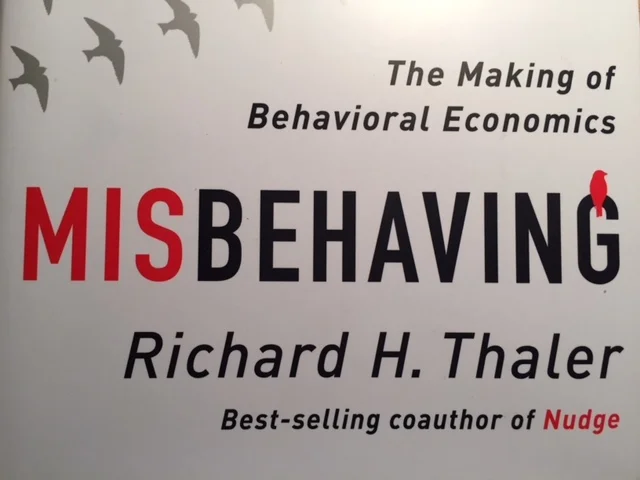
The 2017 Nobel economics prize has been awarded to Richard Thaler of the University of Chicago for research on behavioral economics, which shows how our emotions can impact economic decision-making, as well as our investment performance. Thaler’s body of work has built on that of Israeli psychologists Daniel Kahneman and Amos Tversky, who forty years ago showed the ways in which the human mind systematically erred, when forced to make judgments in uncertain situations.
Read More
Hurricanes Irma and Harvey blew across the labor market, as employers shed 33,000 jobs in September. Yes, it was the first negative reading on payrolls in seven years, but until we have the subsequent few months’ reports, it’s hard to read too much into the results. (As a note, Puerto Rico is NOT included in the BLS report.) The Labor Department said that the storms likely contributed to “a sharp employment decline in food services and drinking places (-105K) and below-trend growth in some other industries.”
Read More